-

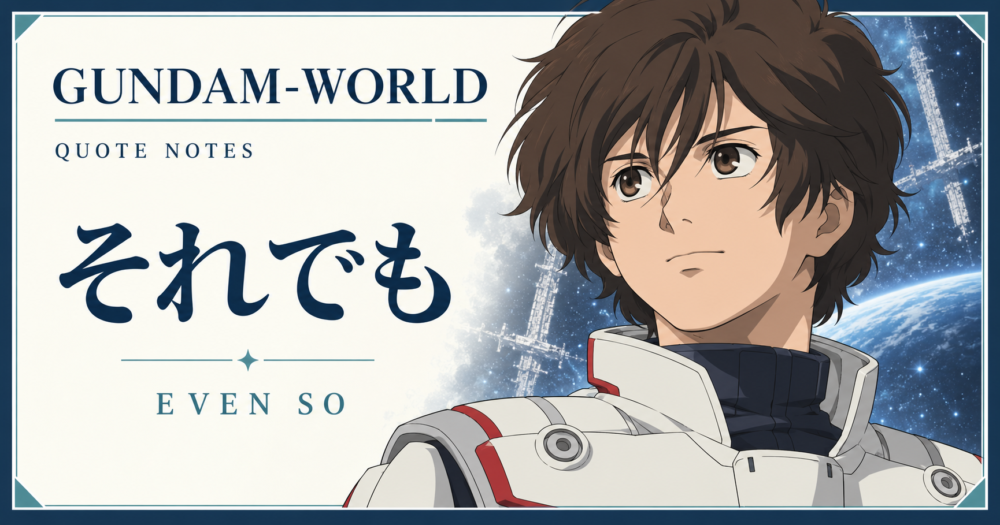
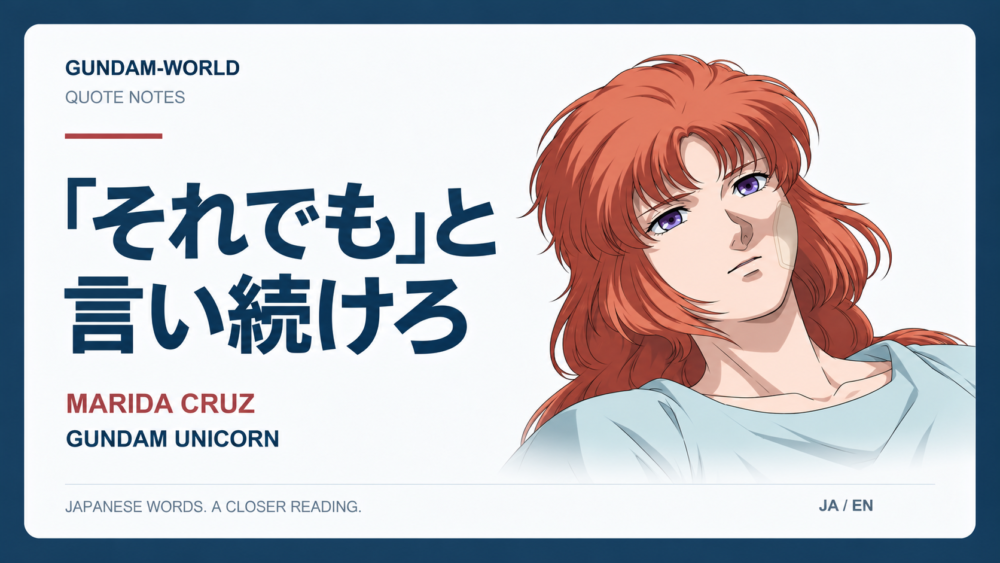
Banagher’s “Even So”: What Soredemo Means in Gundam Unicorn
“Even so” accepts that an objection exists, then refuses to let it end the conversation. That tension makes soredemo central to Banagher’s choices. -
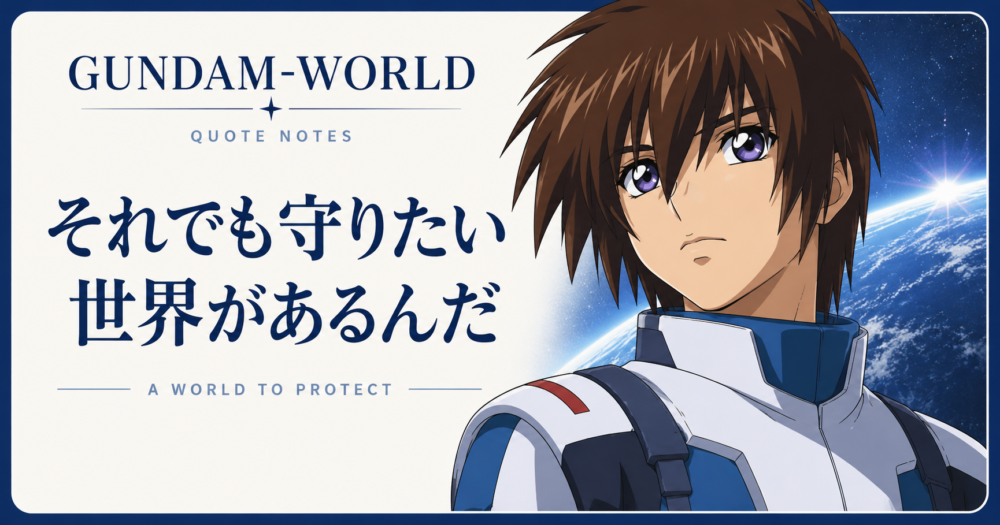
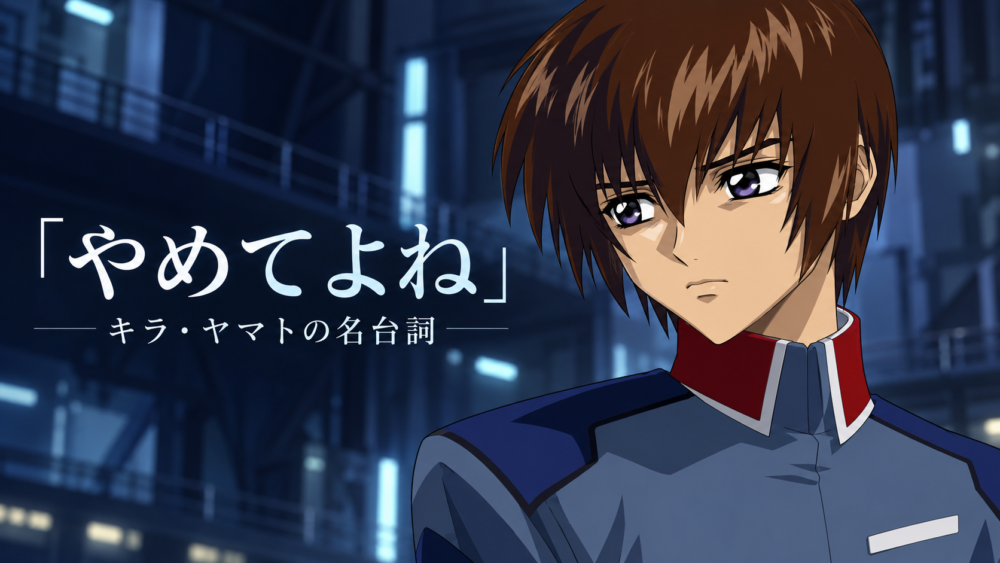
Kira’s “A World I Want to Protect”: What the SEED Quote Means
Kira’s answer does not claim the world is innocent. It insists that the people and connections within it still give him a reason to resist destruction. -
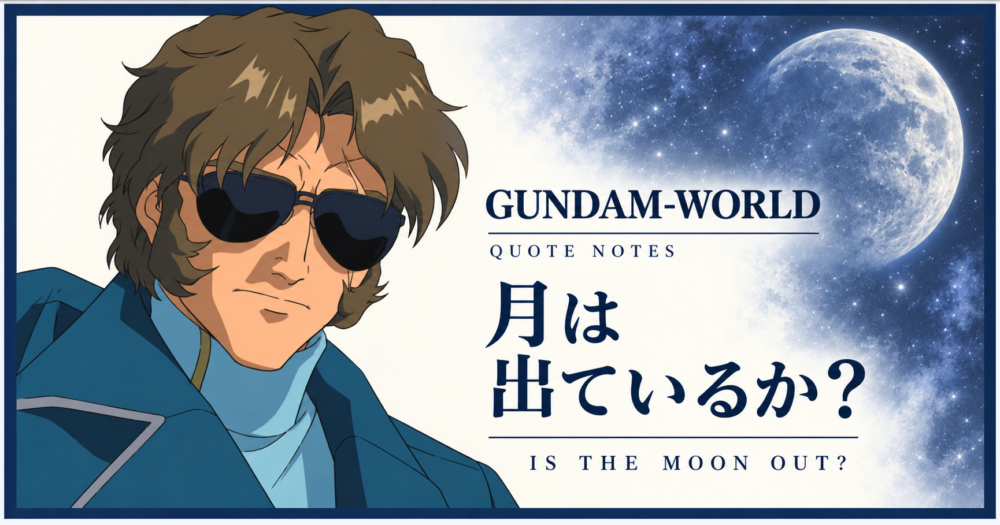
“Is the Moon Out?”: Jamil’s Gundam X Quote Explained
Jamil’s question sounds poetic, but it has a practical connection to the Satellite Cannon. Its emotional force grows from that meeting of moonlight and war. -
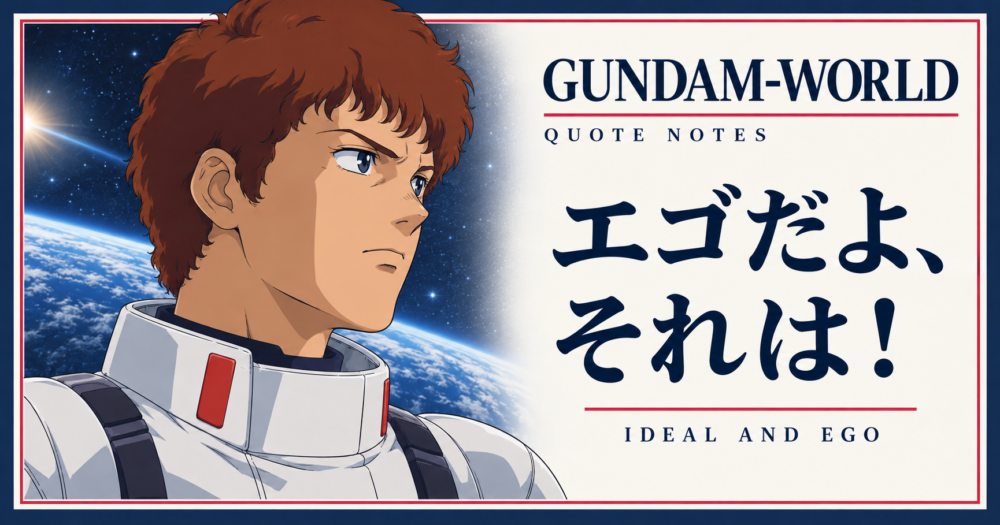
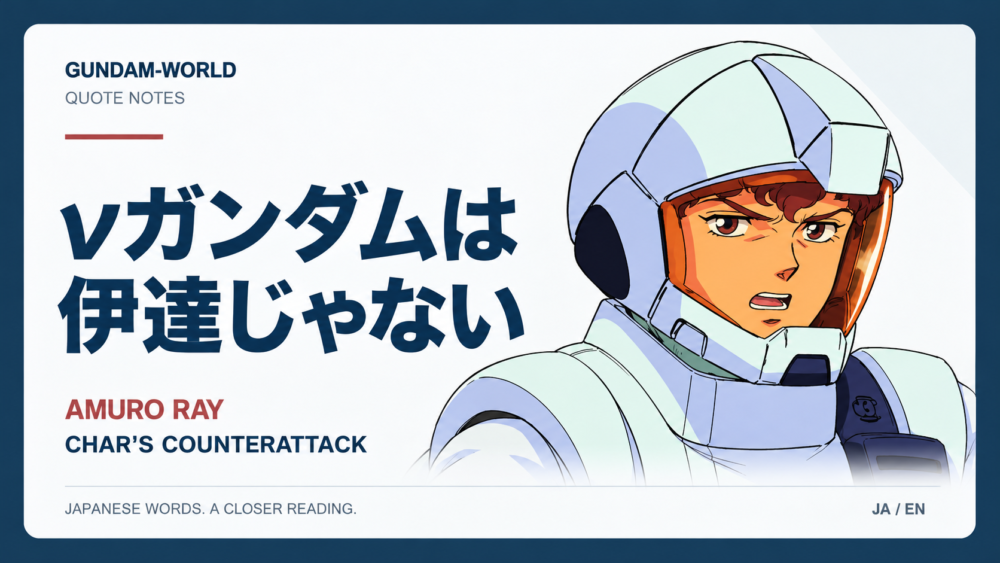
“That’s Ego!”: What Amuro Means in Char’s Counterattack
Amuro challenges more than Char’s pride. His short accusation asks who has the right to force an answer to humanity’s problems on everyone else. -
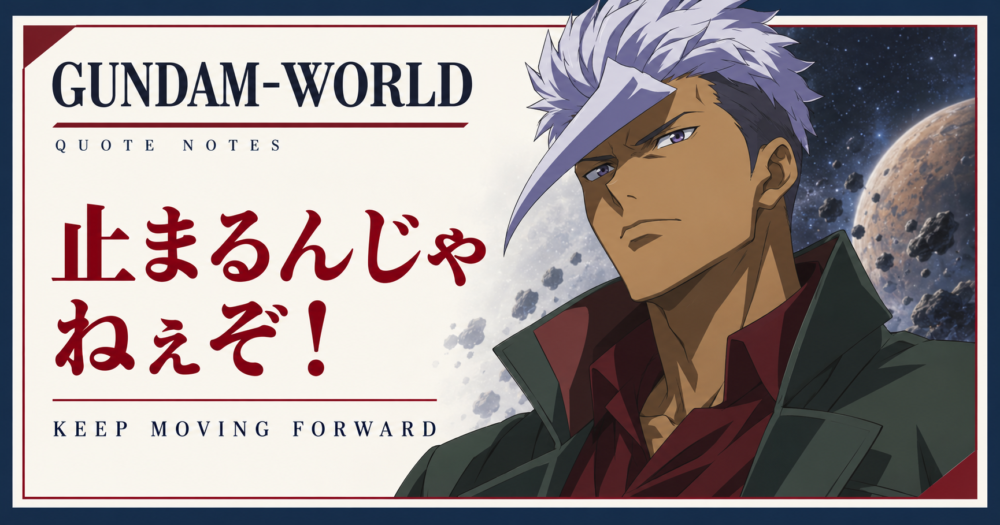
Orga’s “Don’t Stop”: Meaning Behind the Iron-Blooded Orphans Meme
Orga’s final message became a meme, but its original force comes from the leader who wants his companions to keep a future after he can no longer lead them. -
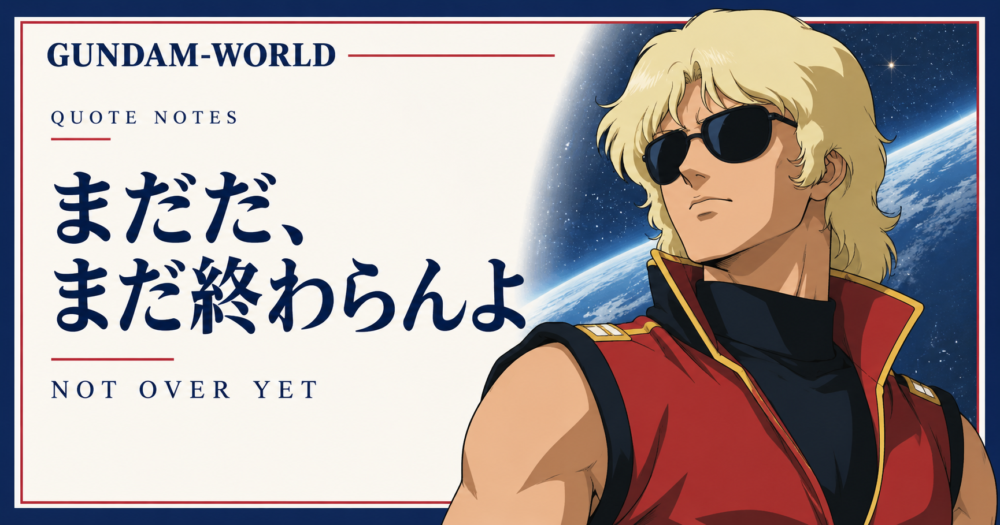
“Not Yet! It’s Not Over Yet!”: Quattro’s Zeta Gundam Quote
Quattro’s famous refusal does not describe a safe position. It asserts that a cornered pilot still has a part to play, making the repeated “yet” essential. -
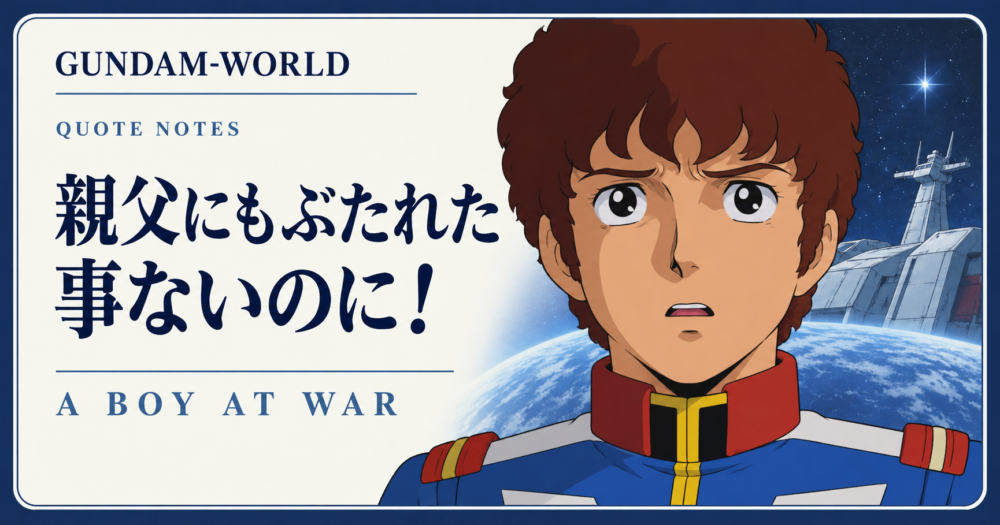
“Even My Father Never Hit Me!”: Amuro’s Gundam Quote Explained
Amuro’s famous protest is more than a punchline about a sheltered boy. The Japanese expresses the shock of someone whose previous world no longer applies. -
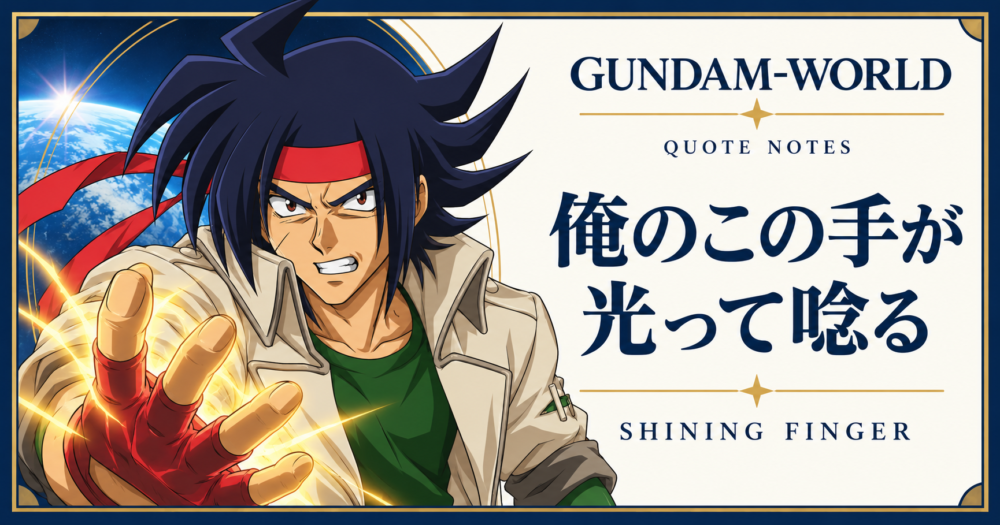
Domon’s Shining Finger Quote: “This Hand of Mine” Explained
Domon’s famous opening turns a glowing hand into a voice. Its physical image and spoken rhythm connect the pilot’s determination to the mobile fighter’s attack. -
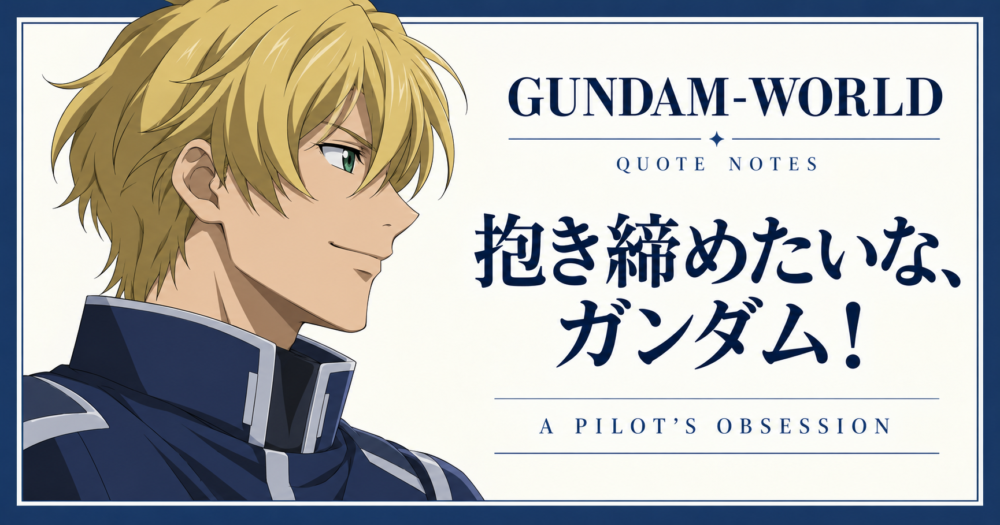
“I Want to Embrace You, Gundam!”: Graham’s Quote Explained
Graham’s language makes an enemy machine sound like an object of love. In this line, the desire to get close is also part of the danger facing its pilot. -
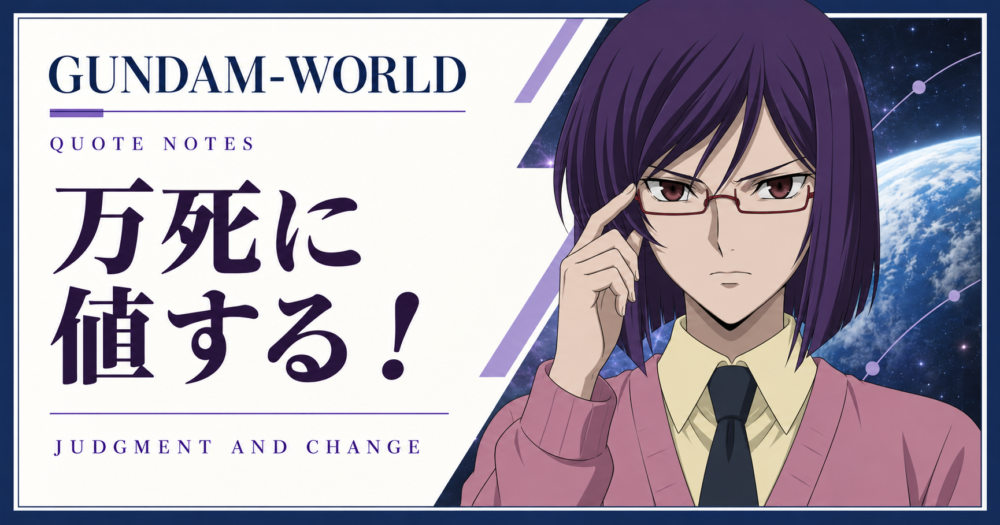
“Ten Thousand Deaths”: What Tieria’s Banshi ni Ataisuru Means
Tieria’s signature condemnation borrows an existing Japanese expression. Its force comes from treating a failure as beyond ordinary correction or forgiveness. -
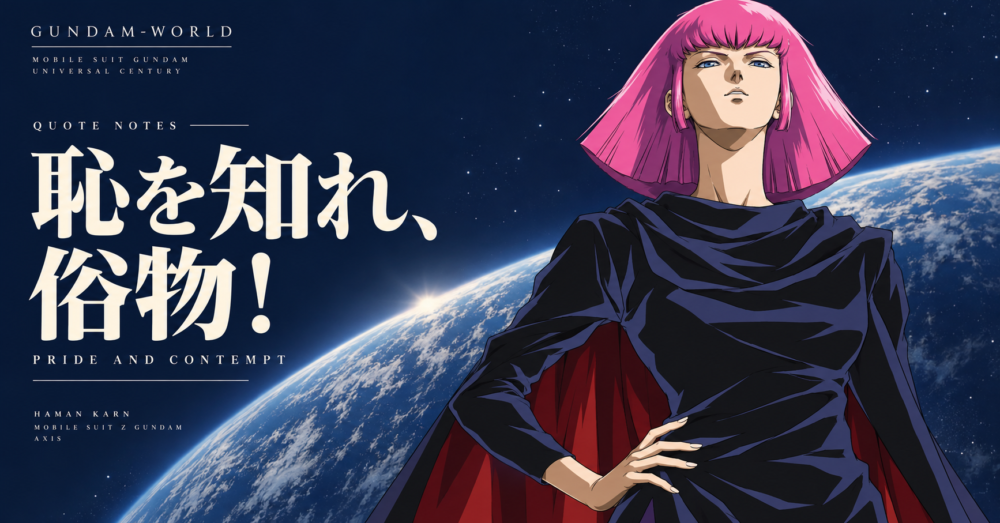
Haman’s “Have Some Shame”: Zeta Gundam’s Zokubutsu Rebuke
Haman’s cutting rebuke creates distance at a moment of Newtype contact. The Japanese pairs a command about shame with a judgment on the person she addresses. -
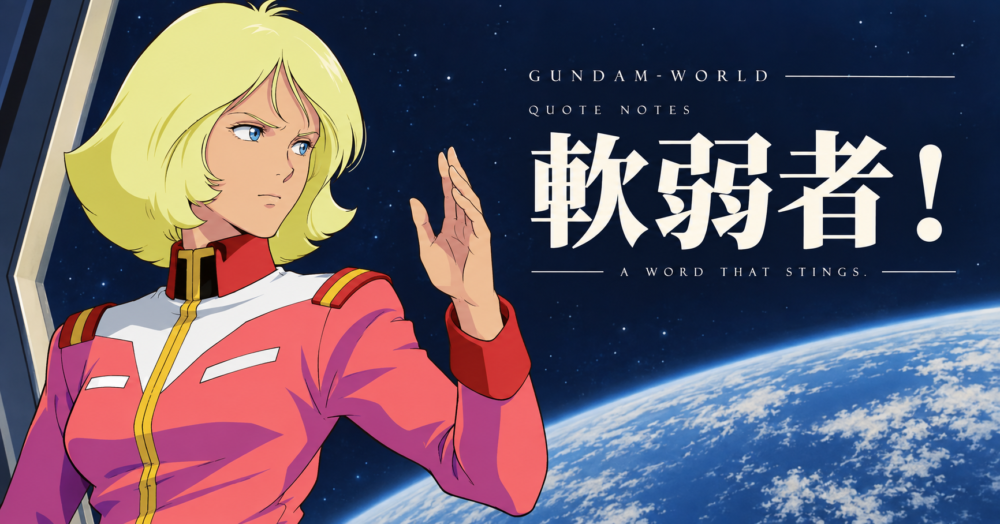
Sayla’s “Weakling!”: What Nanjakumono Means in Gundam
Sayla’s one-word rebuke is aimed at conduct during an emergency. Restoring that context shows why a literal definition of physical weakness is not enough. -
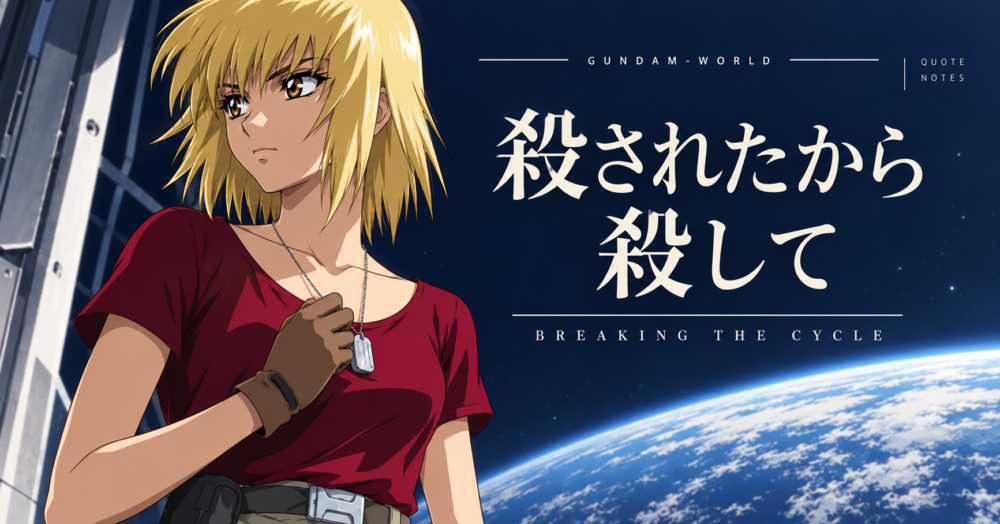
Cagalli’s Revenge Quote: “Killing Because Someone Was Killed”
Cagalli’s protest recognises the pain behind retaliation and asks what happens when each death becomes a reason for another. The repetition is central to its force. -
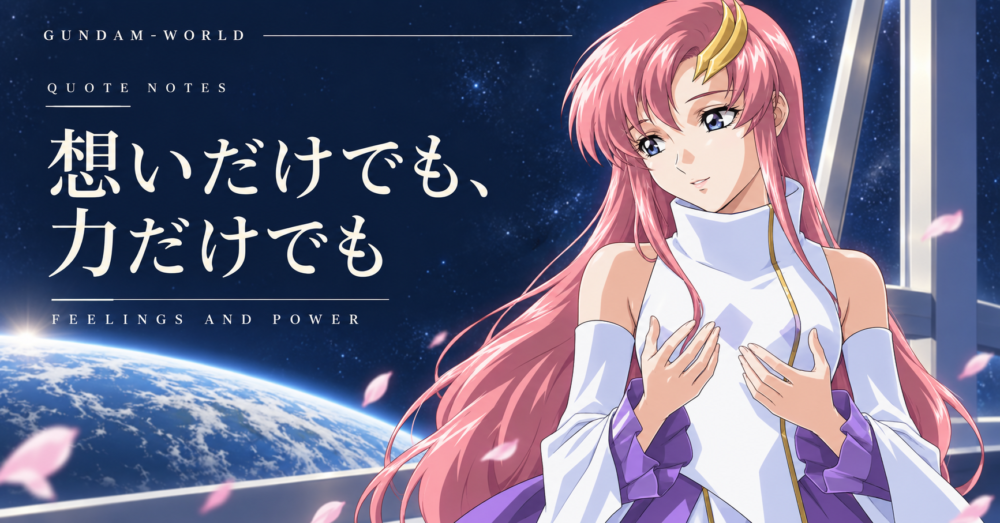
Lacus on Feelings and Power: What Her Gundam SEED Quote Means
Lacus does not tell Kira to choose between caring and being able to act. Her balanced phrasing rejects the idea that either good intentions or force is sufficient. -
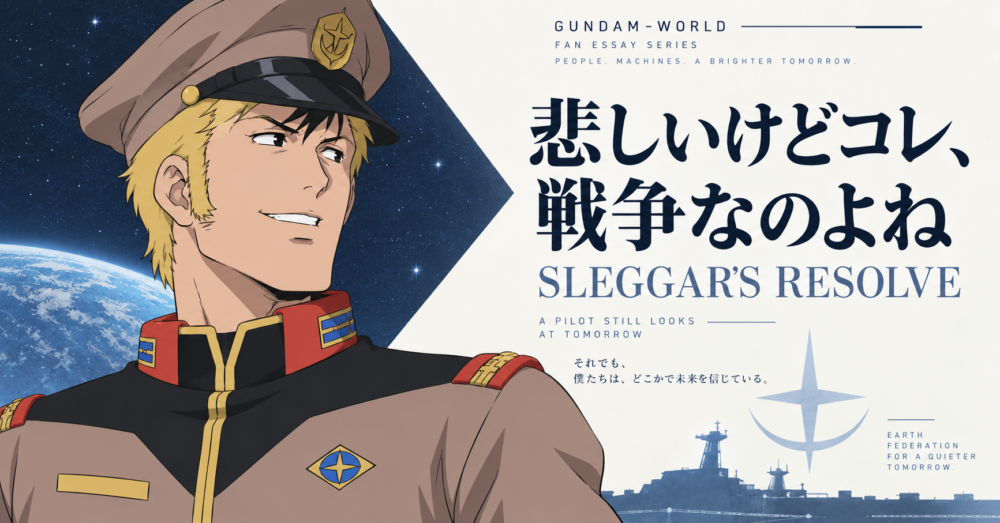
“Sad, but This Is War”: Sleggar’s Gundam Quote Explained
Sleggar’s easygoing delivery does not cancel the sadness of his words. The Japanese ending gives his final combat scene a mixture of familiarity and resignation. -
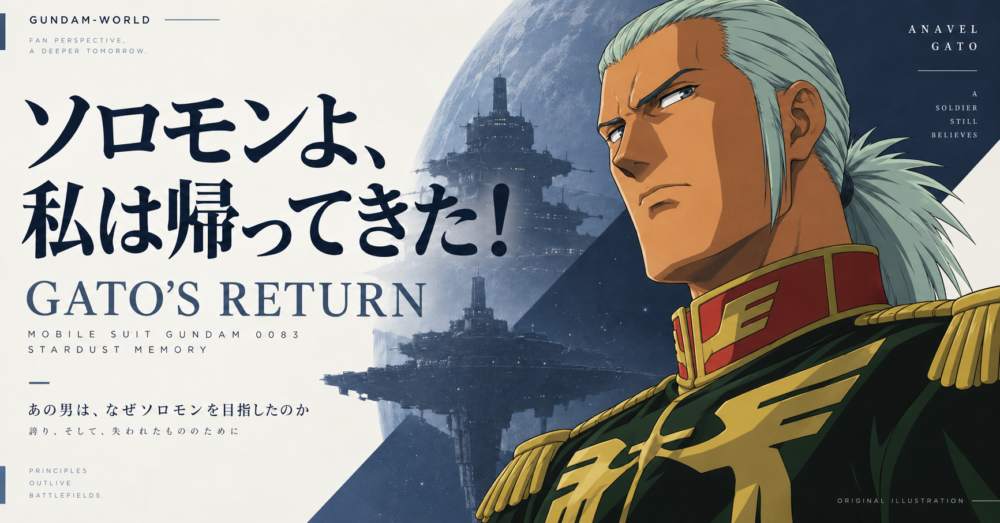
“Solomon, I Have Returned!”: Gato’s Quote and the Meaning of His Return
Gato’s famous return is addressed to a former Zeon stronghold. The line ties personal pride to a devastating military operation, giving it a darker weight. -
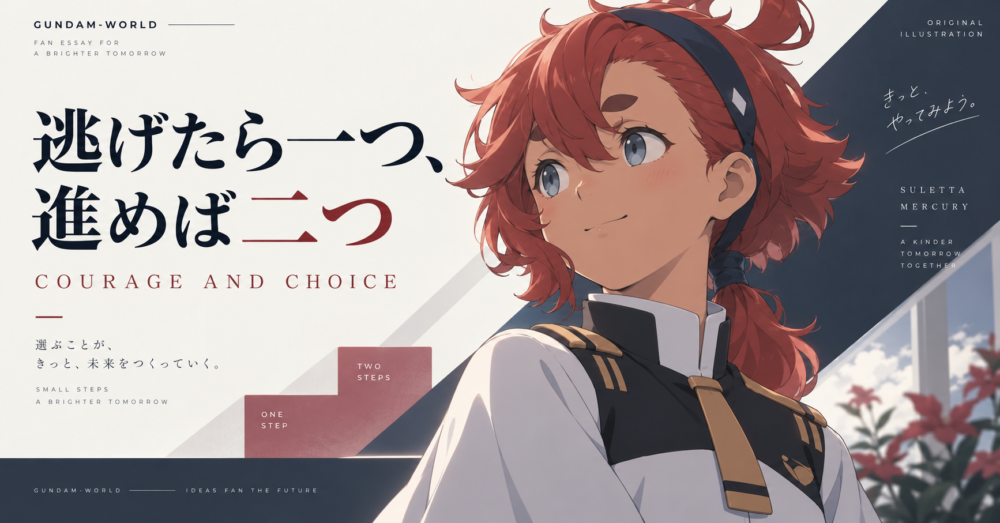
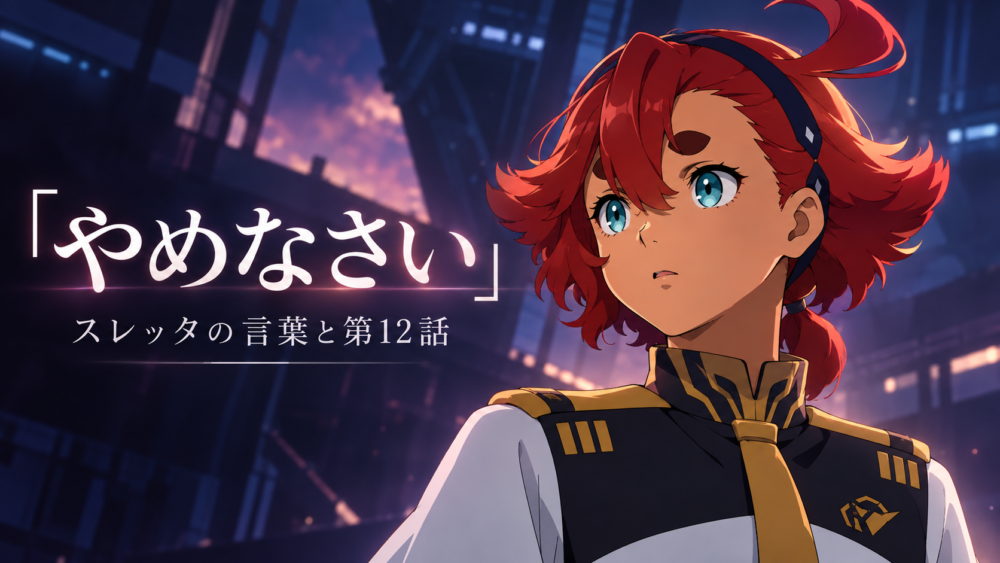
Suletta’s “Gain One, Gain Two” Quote: Meaning and Japanese Nuance
The Witch from Mercury gives Suletta a reassuring rule for frightening moments. Its promise of “two” gains becomes more complicated as she learns to choose. -
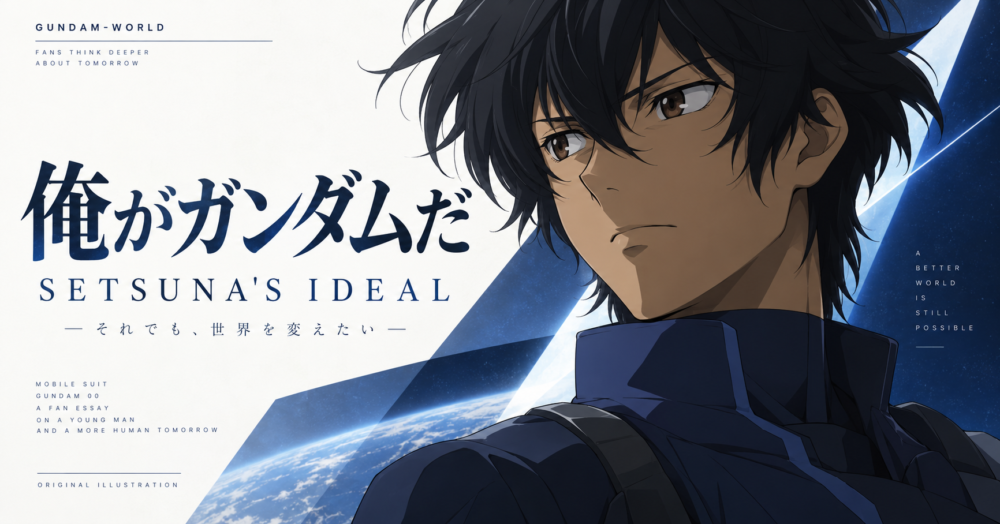
“I Am Gundam” Explained: Setsuna’s Quote and Its Japanese Meaning
Setsuna is not confusing himself with a mobile suit. “I am Gundam” turns his childhood image of salvation into a demand he places on himself. -
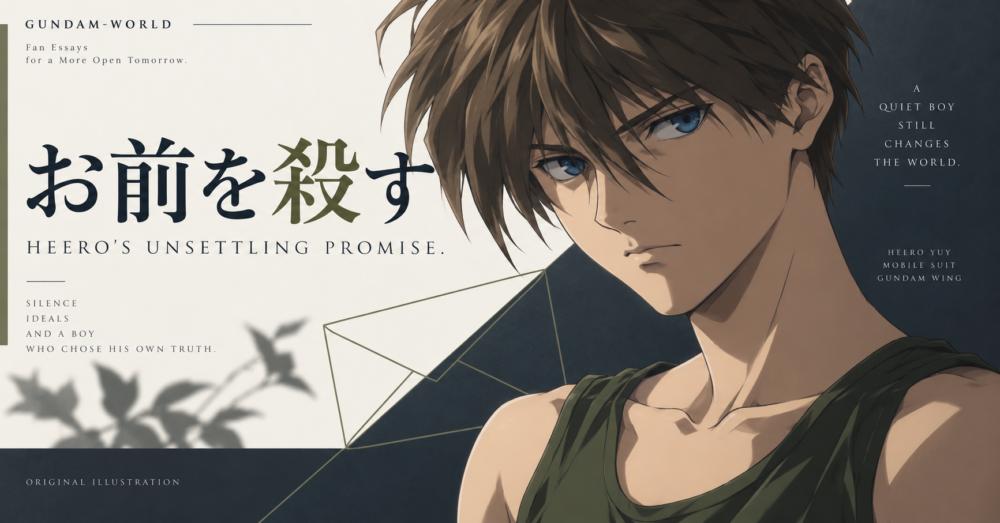
Heero’s “I’ll Kill You”: Meaning, Episode 1 and the Gundam Wing Meme
Heero’s abrupt threat to Relena became a Gundam Wing calling card. Its Japanese wording helps explain both the menace and the awkwardness of the scene. -
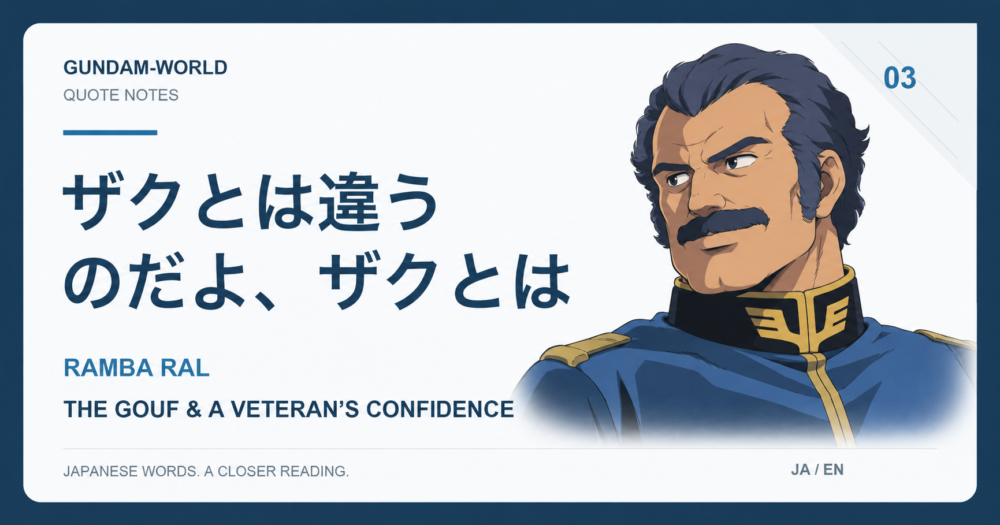
Ramba Ral’s “No Zaku” Quote: Gouf, Meaning and Japanese Nuance
Ramba Ral’s famous distinction is about more than a mobile suit name. Read how contrast, repetition and a veteran’s confidence shape the Japanese line. -
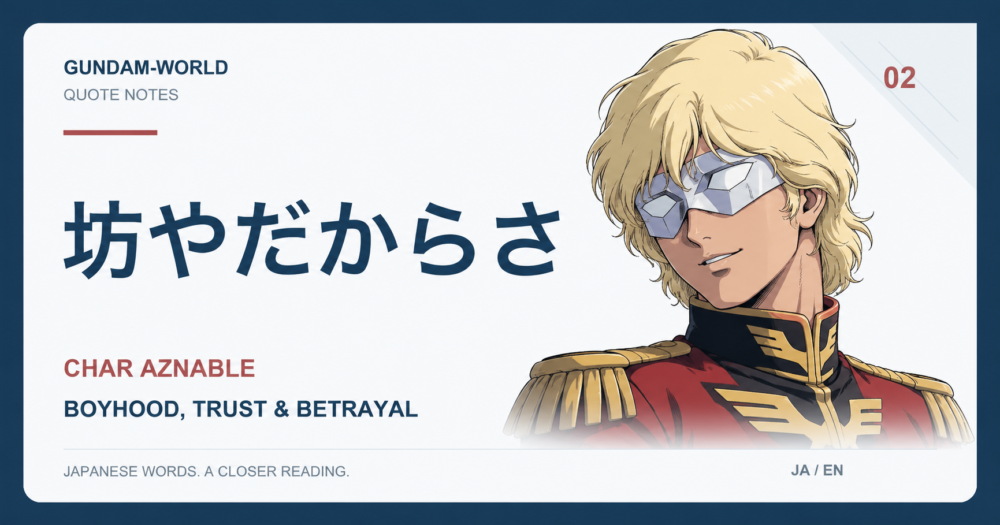
“Bouya Dakara Sa”: Char’s Quote, Garma and English Translations
A few casual words make Char’s distance from Garma chilling. Explore the funeral scene, Japanese grammar and the limits of familiar English translations. -
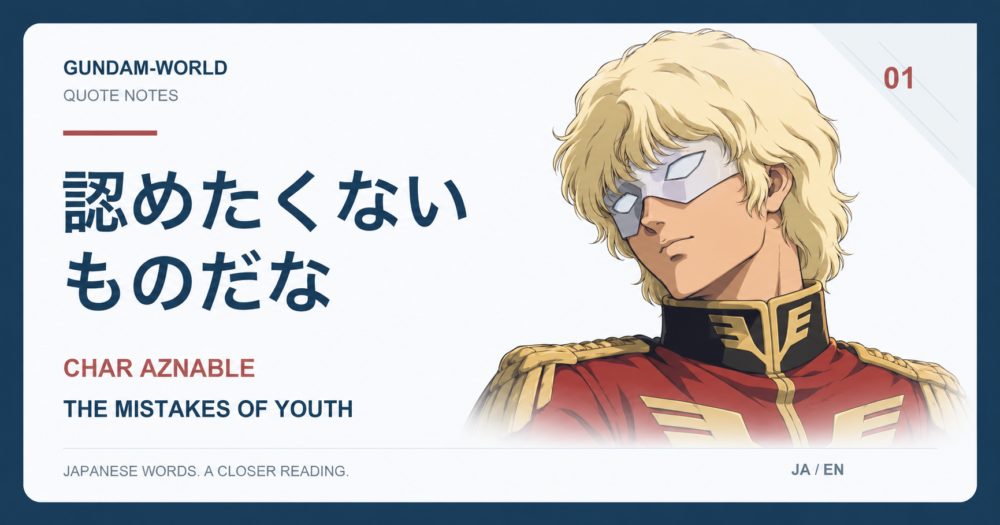
Char’s “Mistakes of Youth” Quote: Meaning and Japanese Nuance
Char’s famous line sounds like wisdom, but begins with reluctance to admit a mistake. Read the episode context and the Japanese behind that hesitation. -
Delaz and the Great Cause: When Small Matters Become Fatal
A spoiler discussion of Aiguille Delaz’s advice in Gundam 0083, the force of its Japanese phrasing, and the danger of dismissing a subordinate’s warning. -
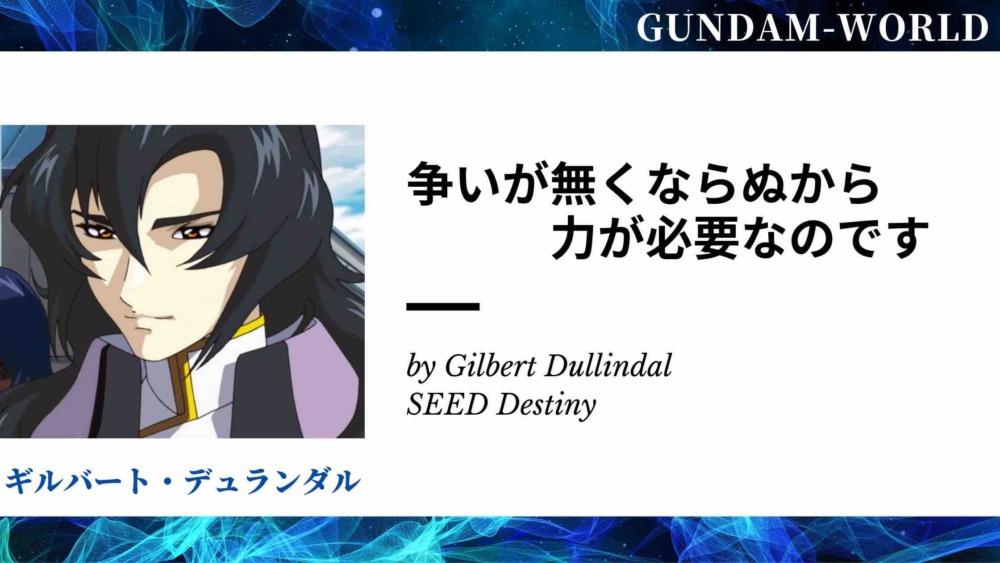
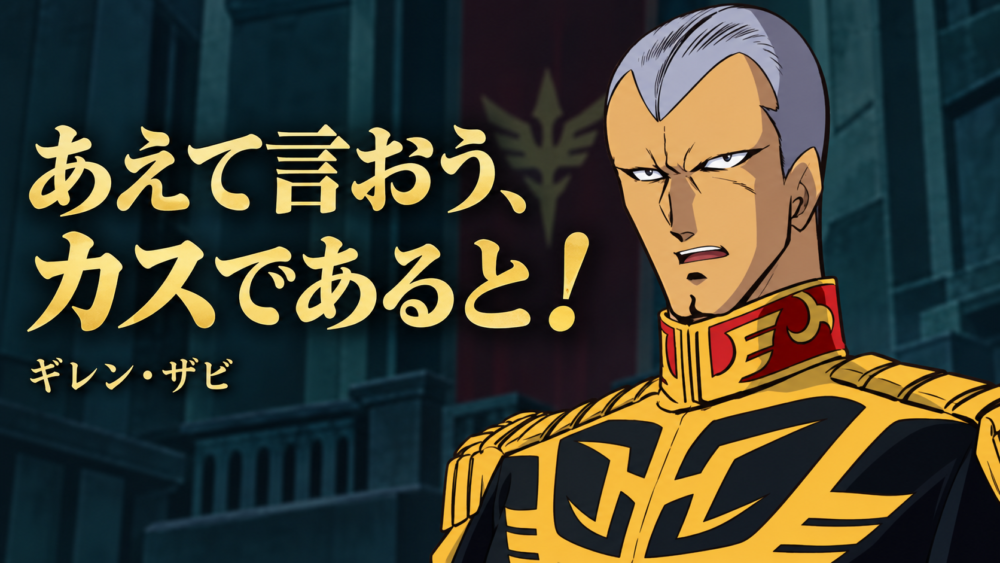
Durandal on Conflict and Power: Reading the Japanese in SEED Destiny
An original English rendering of Gilbert Durandal’s reply to Cagalli, with notes on power, conflict, polite speech, and the argument hidden in his calm delivery. -
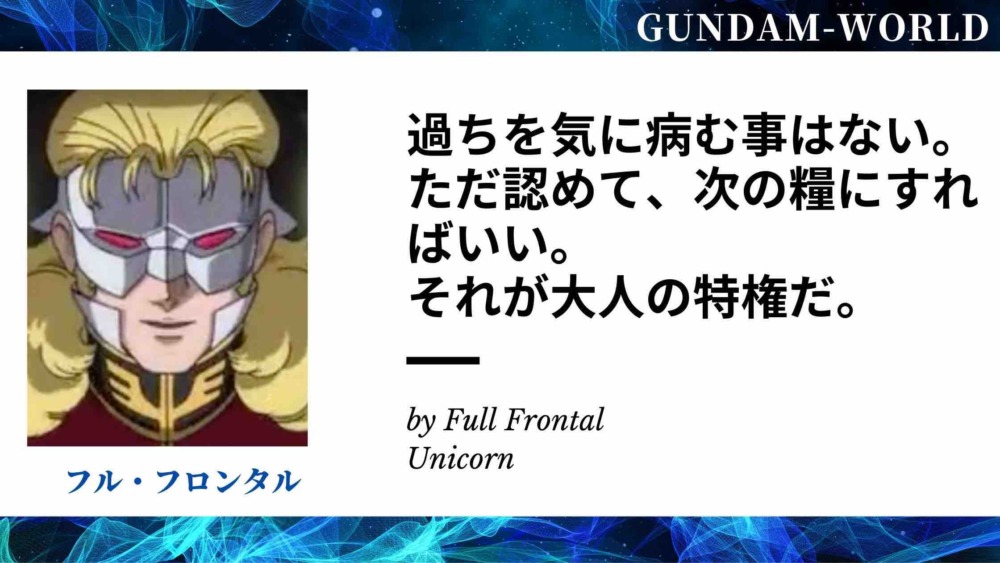
Full Frontal on Mistakes: The Meaning of an Adult’s Privilege
Explore Full Frontal’s memorable Gundam Unicorn line through its Japanese wording, an original English translation, and its contrast with Char’s attitude toward mistakes.